

Federal Judge Vacates Policy Suspending Immigrant Visas for Nationals of 75 Countries

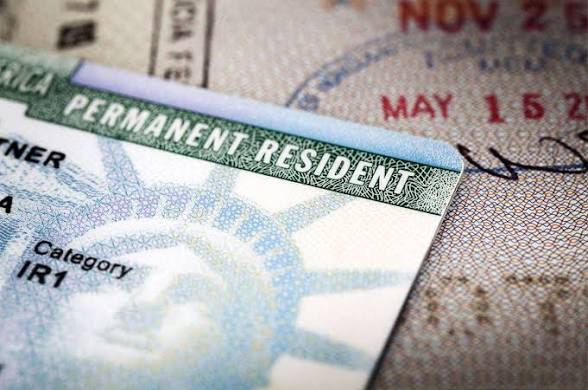
On August 21, 2026, a federal judge in the Southern District of New York issued a significant ruling affecting immigrant visa processing for nationals of 75 countries.
In Catholic Legal Immigration Network, Inc. (CLINIC), et al. v. Marco Rubio, et al., U.S. District Judge Jeannette A. Vargas vacated a Department of State policy that had categorically suspended the issuance of immigrant visas to nationals of designated countries.
The Court found that the policy was contrary to federal immigration law and exceeded the Secretary of State’s statutory authority. (CourtListener Storage)
What Was the Policy?
On January 14, 2026, the U.S. Department of State announced that, effective January 21, 2026, it would pause immigrant visa issuance for nationals of 75 countries.
According to the Department of State, the policy was implemented while the government reviewed screening procedures related to whether immigrant visa applicants might become a “public charge.”
The list included countries such as Colombia, Brazil, Guatemala, Cuba, Haiti, Jamaica, Nicaragua, Nigeria, Ghana, Pakistan, Bangladesh, and many others. (CourtListener Storage)
Under the policy, U.S. consular officers were instructed to continue interviewing and evaluating applicants. However, even if an officer determined that an applicant was not likely to become a public charge and was otherwise eligible for an immigrant visa, the visa still had to be refused if the applicant was a national of one of the designated countries.
In practical terms, the policy created a nationality-based barrier to immigrant visa issuance for applicants who could otherwise qualify under existing immigration law. (CourtListener Storage)
Why Did the Court Find the Policy Unlawful?
The Court focused on several provisions of the Immigration and Nationality Act, or INA.
Under immigration law, consular officers are responsible for determining whether an immigrant visa applicant is eligible for a visa. When evaluating whether a person may become a public charge, the law requires consideration of the applicant’s individual circumstances, including factors such as age, health, family status, financial resources, education, and skills.
The Court found that the Department of State policy conflicted with this individualized process because it required the refusal of immigrant visas based on nationality, even when a consular officer had already determined that the applicant was otherwise eligible. (CourtListener Storage)
The Court also relied on the INA’s nondiscrimination provision governing immigrant visa issuance. That provision states that a person may not be discriminated against in the issuance of an immigrant visa because of race, sex, nationality, place of birth, or place of residence.
Judge Vargas concluded that the policy violated that provision because it required consular officers to refuse immigrant visas solely on the basis of an applicant’s nationality. (CourtListener Storage)
What Did the Judge Order?
The Court did more than simply prevent the policy from being applied to the individual plaintiffs in the lawsuit.
Judge Vargas ordered the policy itself to be set aside and vacated.
The Court also ordered that immigrant visa refusals based solely on the now-vacated policy be set aside. Those cases are to be returned for further proceedings before consular officers. (CourtListener Storage)
This distinction is important.
The ruling does not automatically reopen every immigrant visa refusal involving a national of one of the 75 countries.
The Court specifically stated that its order does not apply when an applicant was also found ineligible under another provision of immigration law. In other words, if a consular officer refused a visa for an independent legal reason in addition to citing this policy, that refusal was not automatically vacated by this decision. (CourtListener Storage)
Does This Mean Previously Refused Visas Will Now Be Approved?
No.
The Court did not order the Department of State to approve any particular immigrant visa.
For visa refusals that were based solely on the suspended policy, the Court ordered those matters returned to consular officers for further adjudication.
Consular officers continue to have the authority to determine whether an applicant qualifies for an immigrant visa under U.S. immigration law.
The judge expressly stated that the Court was not directing any particular result in those cases, as long as a new refusal is not based on the invalidated policy. (CourtListener Storage)
Therefore, a person whose visa was affected by this policy should not assume that the August 21 decision automatically results in visa approval.
What Does This Decision Mean for Current Immigrant Visa Applicants?
The ruling removes the categorical policy that prevented immigrant visas from being issued to nationals of the 75 designated countries solely because of their nationality.
Going forward, applicants remain subject to the normal requirements of the immigrant visa process, including any applicable grounds of inadmissibility and other eligibility requirements.
What changes is that nationality alone, under the policy challenged in this case, can no longer serve as the basis for the blanket suspension the Court invalidated.
For individuals whose immigrant visa applications were refused only because of this policy, the decision may be especially significant because the Court ordered those refusals set aside and returned for further proceedings. (CourtListener Storage)
Why This Case Matters
This ruling is significant because it reinforces an important distinction in U.S. immigration law: immigrant visa applicants are generally evaluated under the eligibility and inadmissibility standards established by Congress, and consular officers retain responsibility for making those determinations.
The Court concluded that the Department of State could not replace that individualized statutory framework with a categorical immigrant visa ban based on nationality.
Because the decision could affect ongoing and previously refused immigrant visa cases, applicants should pay close attention to any additional guidance or procedural updates issued by the Department of State following the ruling.
Final Considerations
The August 21, 2026 decision represents a major development for immigrant visa applicants from the countries affected by the Department of State policy.
However, the ruling should not be interpreted as an automatic approval of pending or previously refused immigrant visa applications.
Each immigrant visa case remains subject to its own eligibility requirements, and the impact of the Court’s order may depend on the specific reason a visa was previously refused.
We will continue monitoring developments related to this decision and any updates regarding its implementation by U.S. consular posts.
Case: Catholic Legal Immigration Network, Inc. (CLINIC), et al. v. Marco Rubio, et al., Case No. 26-CV-00858 (JAV), U.S. District Court for the Southern District of New York.
Decision issued: August 21, 2026.
This article is provided for general informational and educational purposes only and does not constitute legal advice. Immigration matters depend on the specific facts and circumstances of each case.